ENTERPRISE FRAUD DETECTION FOR CONTACT CENTERS
Risk detection that follows the call
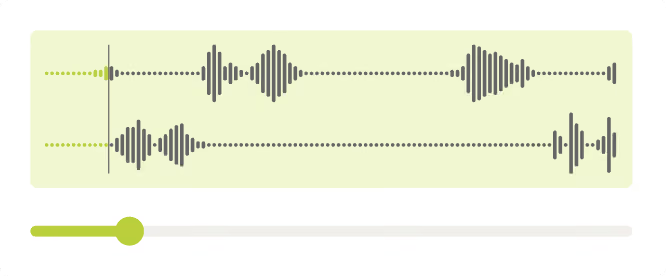
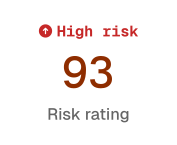
Let your agents act on evidence, not guesswork. Pindrop® Protect is enterprise contact center fraud detection built for the full caller journey, from interactive voice response (IVR) to live agent.


~14x
Surge in AI attacks since Q4 ‘241
Based on Pindrop customer data analysis from Q1 2026 in comparison to the previous five quarters.90%
Drop in fraud at HealthEquity2
Pindrop, “90% Drop in Fraud and a Smoother CX: How HealthEquity Did It.”$2.5M
Reduction in fraud exposure at MSUFCU3
Pindrop, “One Year Later: Michigan State University Federal Credit Union Minimizes Fraud Exposure by Millions.”

FRAUD DETECTION SOLUTION
What are enterprise fraud detection solutions for contact centers?
Enterprise fraud detection solutions catch risk during the live contact center calls. While transaction monitoring only sees what happens after an action is taken on the account, fraud detection flags risk while the call is still happening, using signals like voice, device, behavior, and network.
%201.avif)
%201.avif)
CUSTOMER OUTCOMES
Real stories of enterprise fraud detection
See how in-call detection can lead to more informed decisions, what look-back can find afterward, and how analysts can work cases more efficiently.









CALLER JOURNEY
Why detect risk during and after a call?
A single identity check, like a security question, is easy to bypass. That’s why Pindrop's enterprise contact center fraud solution scores risk across multiple signals for the entire call duration, catching suspicious activity that knowledge-based authentication often can’t.

In the IVR
Protect looks for risky patterns such as reconnaissance, robotic dialing, spoofing indicators, and repeat activity.
With a live agent
Voice, device, behavior, and network analysis continues. If suspicious, agents can apply your approved policies for routing, verification, or escalation.
After the call
This might not be the first time this fraudster has called you. Continuous scoring applies current intelligence to previous calls and automatically flags cases that need further investigation.

From recon to resolution: The problems Pindrop can solve
From customer service and self-service to high-value account actions, organizations need audio deepfake detection wherever synthetic or cloned voices can influence an identity, fraud, or access decision. Explore the use cases and industries below to see how the same voice-security foundation adapts to different operating risks.
Use case
IVR reconnaissance
Use case
Sensitive account requests
Use case
Known bad actors
Use Case
Fraud case investigation
INDUSTRY
Banking and finance
Industry
Insurance
Industry
Healthcare
THE PRODUCTS BEHIND IT
Your contact center needs, all in one platform
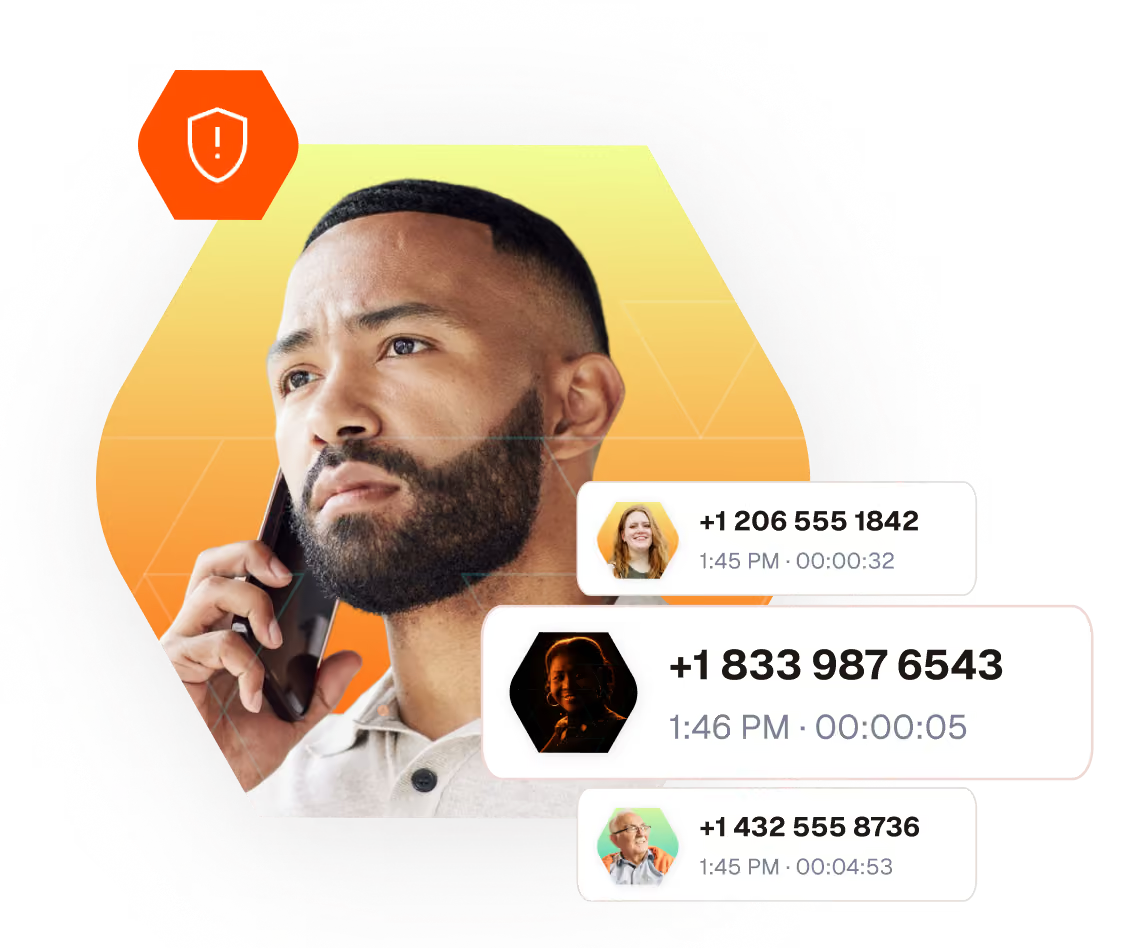
Catch what's suspicious, verify callers without friction, and detect bots and AI voices early. Three layers, one platform, covering every call.

RELATED SOLUTION
Round out your trust capabilities
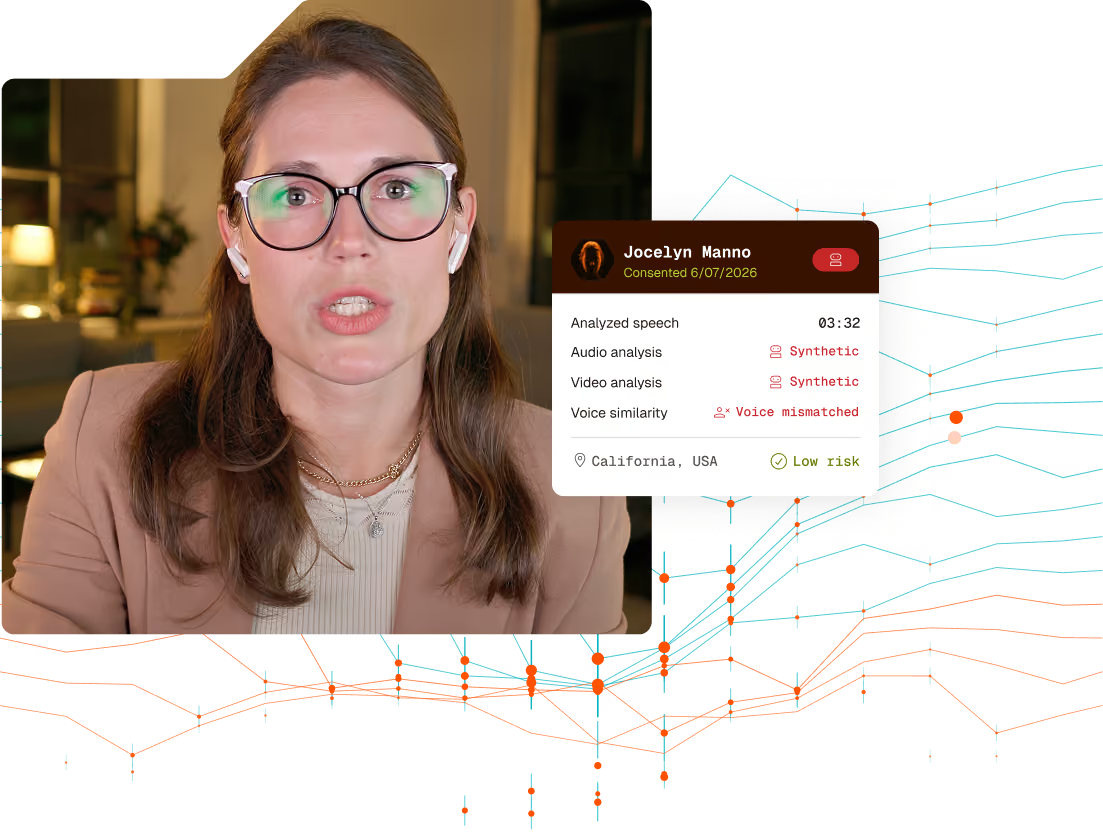
Pindrop Pulse® for Meetings detects audio, video, participant, and location risk inside popular meeting platforms.

REPORT
60x growth in AI attacks per day
Contact center attacks are one of six high-cost AI threats security leaders are ranking as top risks right now. Read the full breakdown, including how attackers automate account takeovers and what 60x growth in AI attacks looks like up close.
Don't assume. Verify.
Take the first step toward a safer, more secure future for your business.

Frequently asked questions
Disclaimer