HIRING FRAUD DETECTION
Catch a fake job candidate before they’re hired
A deepfake candidate looks great on paper and seems real in the interview, but perception isn’t enough anymore. Hiring fraud detection analyzes the interview itself for deepfake video and audio, and other risk signals like VPN usage and location intelligence.
1 in 4
Candidates worldwide will be fake by 2028¹
Gartner, “Gartner Survey Shows Just 26% of Job Applicants Trust AI Will Fairly Evaluate Them”, July 2025.1 in 47
Fake job applicants tied to DPRK activity in Pindrop study2
Based on Pindrop’s 2026 internal investigation of applicants for a Senior Software Engineer role.

HIRING FRAUD DETECTION SOFTWARE
What is hiring fraud detection?
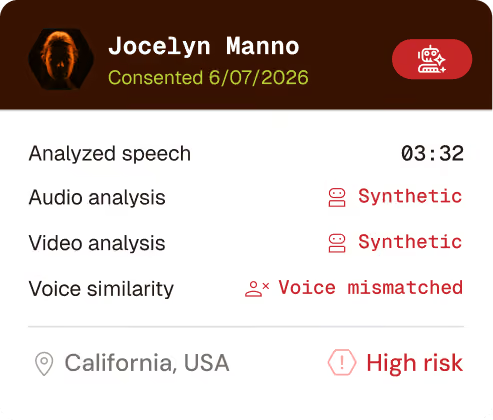
Hiring fraud detection catches suspicious activity during live remote interviews. It analyzes the interview itself, both the video and audio, for evidence of a deepfake. It also surfaces location signals like VPN use and unexpected geography, and can authenticate the voices of enrolled participants.
Traditional checks aren’t cutting it anymore. Resume screening, background checks, and identity verification confirm the person exists. But it doesn’t confirm that that’s who you’re interviewing.
Hiring fraud detection doesn't verify identity or perform a background check; it adds risk evidence from the interview itself, layering your defenses rather than treating any single signal as a final answer.
%201.avif)
%201.avif)
REMOTE HIRING JOURNEY
How does Pulse detect deepfakes and impersonation during an interview?
Fake job candidates can easily become insider threats if they’re not caught. That’s why you need deepfake checks in all virtual interactions with candidates.
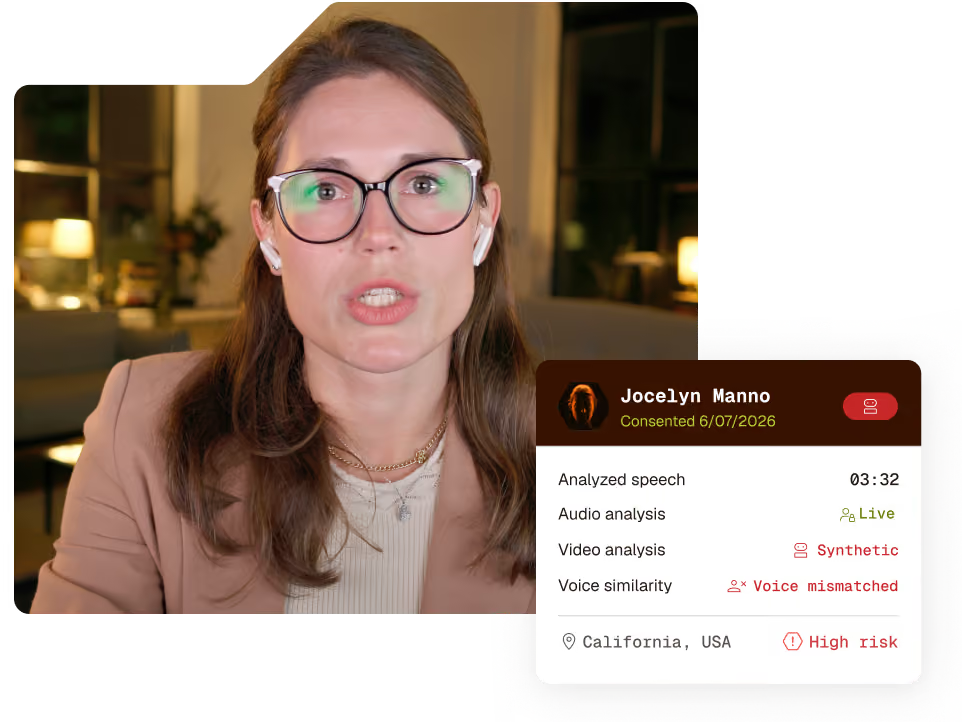
In the interview
You need detection in the moment, not after the fact. Pulse® for Meetings analyzes the interview as it happens for manipulated video, synthetic voice, plus location risk like VPN use.
Between interview rounds
A candidate can pass the first call and send in a proxy for the technical round. Pulse compares the voice across interviews, so you know if the candidate changed.

Defend your virtual hiring checkpoints
Hiring is fraught with potential fraud. Lock down your remote interviews and catch when something's up faster.
Use case
Deepfake interview detection
Use case
Remote IT worker infiltration
Use Case
Proxy and substitute candidates
THE PRODUCTS BEHIND IT
Powered by the Pindrop Platform
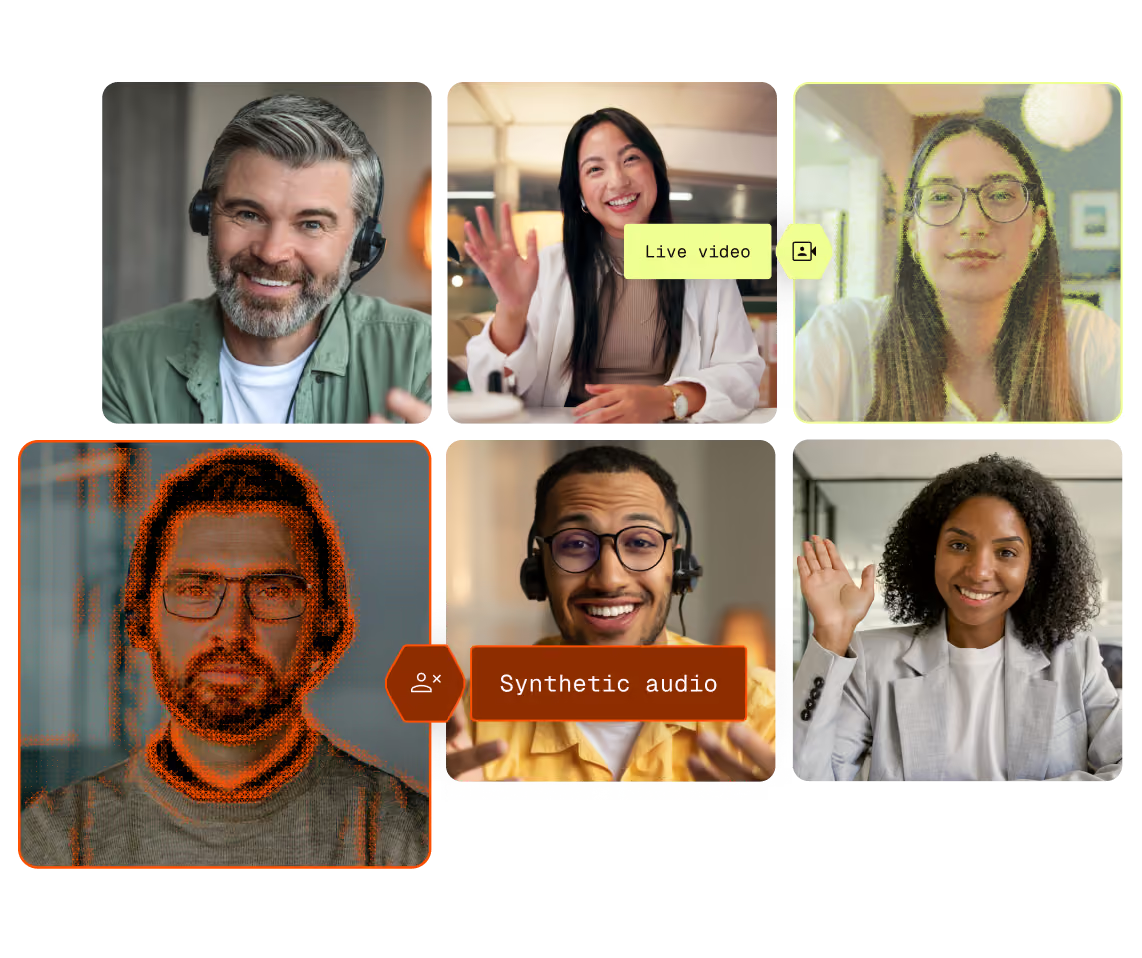
Pindrop technology enables enterprises to answer three key questions in order to detect AI-powered attacks in virtual meetings: Is this identity human? Is this identity risky? Is this identity known?

Datasheet
The science behind deepfake detection
A technical breakdown of how audio and video deepfake detection works, where common defenses fall short, and what continuous verification looks like in practice.
Hiring fraud detection FAQs
Disclaimer